
Solar Cable Selection Guide: Choosing the Right PV Cable for Your Installation
Complete guide to selecting solar cables for photovoltaic installations. Learn about EN 50618, H1Z2Z2-K standards, cable sizing calculations, and installation best practices.
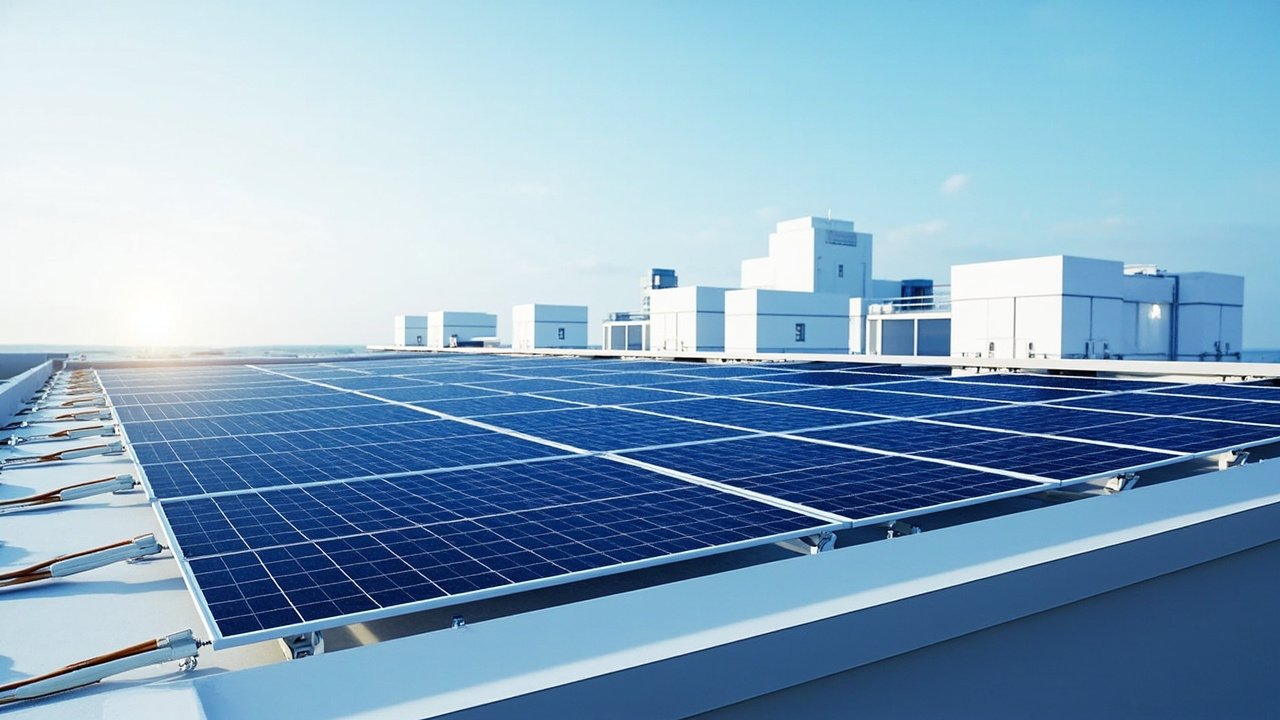
Solar photovoltaic systems require specialized cables designed to withstand harsh outdoor conditions while maintaining efficient power transmission over decades of operation. This comprehensive guide covers everything you need to know about selecting the right solar cables for your PV installation.
Understanding Solar Cable Requirements
Unlike conventional power cables, solar cables face unique challenges:
- UV Radiation: Constant exposure to sunlight degrades standard insulation
- Temperature Extremes: Operating range from -40°C to +90°C
- Mechanical Stress: Wind, vibration, and thermal cycling
- Chemical Exposure: Salt, moisture, and pollution
Key Solar Cable Standards
EN 50618 (European Standard)
The EN 50618 standard specifies requirements for solar cables intended for the interconnection of photovoltaic systems:
- Voltage Rating: 600/1000V AC, 1500V DC
- Conductor: Fine-stranded copper (Class 5)
- Cross-sectional Area: 1.5mm² to 35mm²
- Minimum Service Life: 25 years at max conductor temperature
H1Z2Z2-K (Harmonized Standard)
The H1Z2Z2-K designation indicates:
- H: Harmonized cable type
- 1: Voltage class (1000V)
- Z: Ozone and weather resistant
- 2: Test voltage (6.5kV)
- Z2: Double-zero halogen free
- K: Flexible copper conductor
Cable Sizing for Solar Installations
Proper cable sizing is critical for system efficiency and safety. Undersized cables result in power losses and overheating.
Voltage Drop Considerations
Industry best practice recommends keeping voltage drop below 2% for main string cables and 3% for branch circuits. Use this formula:
- VD = (2 × L × I × cosφ) / (A × V)
- VD = Voltage drop (V)
- L = One-way cable length (m)
- I = Current (A)
- cosφ = Power factor (typically 0.9)
- A = Cross-sectional area (mm²)
- V = System voltage (V)
Typical Current Ratings for Solar Cables
| Cable Size (mm²) | Current Rating (A) | Typical Applications |
|---|---|---|
| 4.0 | 30-35 | Single PV module string |
| 6.0 | 40-45 | Small residential strings |
| 10.0 | 55-65 | Medium residential/commercial |
| 16.0 | 75-90 | Large commercial strings |
| 25.0 | 100-115 | Utility-scale arrays |
Installation Best Practices
String Cable Routing
- Use conduit or cable trays in direct sunlight exposure areas
- Maintain minimum bend radius of 8× cable diameter
- Install cables with slight slack to accommodate thermal expansion
- Use UV-resistant cable ties at 300mm intervals
Grounding Requirements
Solar cable metallic armor and screens must be properly grounded:
- Use dedicated grounding conductors equal to cable shield
- Bond all cable trays and conduit
- Verify ground resistance below 5 ohms
IFlexCable Solar Solutions
IFlexCable offers a comprehensive range of TUV-certified solar cables designed for photovoltaic applications:
- PV1-F Series: Standard photovoltaic cable, EN 50618 compliant
- PV Wire: UL 4703 certified for North American markets
- Custom Solutions: Available for specific project requirements
Conclusion
Selecting the right solar cable requires careful consideration of standards, sizing, and installation practices. Proper cable selection ensures system longevity, efficiency, and safety throughout the 25+ year operational life of your solar installation.
FAQ
Q: What is the difference between PV1-F and H1Z2Z2-K cables?
A: PV1-F refers to the cable type designation under VDE standards, while H1Z2Z2-K is the harmonized European designation. Both cables meet similar performance requirements but may have slightly different test protocols.
Q: Can I use standard building wire for solar installations?
A: No. Standard building wire lacks UV resistance and weatherproofing required for outdoor solar applications. Always use cables specifically designed and certified for photovoltaic use.
Q: What size cable do I need for a 10kW residential solar system?
A: A typical 10kW system with 400V string voltage carries approximately 25A. For runs under 50 meters, 6mm² cable is usually sufficient. Longer runs may require 10mm² to maintain voltage drop within acceptable limits.