
Energy Storage System Cables: Connecting Battery Storage Safely
Learn about energy storage system cables for battery storage applications. Key requirements for BESS cabling, safety features, 1500V DC standards, and how to select cables for modern energy storage.
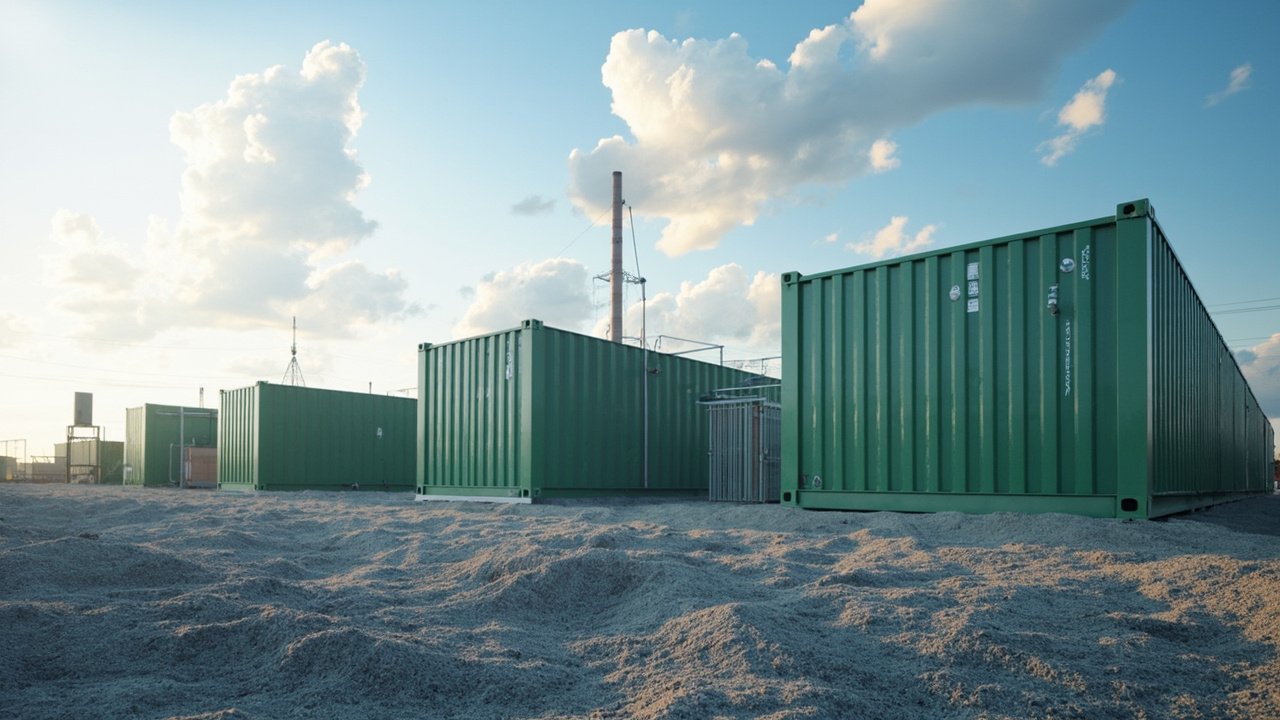
Battery Energy Storage Systems (BESS) are becoming essential as renewable energy adoption grows. These systems require specialized cables designed for high current, safety, and longevity in demanding environments. This guide covers the critical requirements for energy storage system cabling.
Understanding BESS Applications
Energy storage systems serve multiple applications:
Grid-Scale Storage
- Capacity: 100MWh to GWh scale
- Voltage: 1500V DC common for large systems
- Current: Thousands of amps at battery strings
- Application: Renewable integration, frequency regulation
Commercial & Industrial (C&I)
- Capacity: 100kWh to 10MWh
- Voltage: 1000V DC typical
- Application: Peak shaving, backup power, demand charge management
Residential Storage
- Capacity: 5kWh to 50kWh
- Voltage: 48V to 400V DC
- Application: Solar self-consumption, backup, off-grid
Energy Storage Cable Requirements
High Voltage DC Considerations
BESS systems typically operate at high DC voltages, creating unique challenges:
| System Size | Typical DC Voltage | Max String Current |
|---|---|---|
| Residential | 48V – 400V | 100A |
| Commercial | 600V – 1000V | 500A |
| Utility Scale | 1000V – 1500V | 1000A+ |
Key Cable Specifications
Voltage Ratings
- AC Rating: 600/1000V for AC interconnection
- DC Rating: 1500V DC for battery string connections
- Creepage Distance: Critical for high DC voltages
Current Carrying Capacity
- Conductor Size: 35mm² to 400mm² for high current
- Continuous Rating: Must handle sustained maximum current
- Peak Current: Handle surge currents during switching
Safety Requirements
Arc Fault Protection
DC arcs in battery systems are particularly dangerous:
- Arc Fault Detection: Systems to detect and interrupt DC arcs
- Fire Resistant: Cables must resist arc propagation
- Proper Termination: Prevent arcing at connections
Ground Fault Protection
Ground faults in high-voltage battery systems:
- Insulated Cable Jackets: Double insulation for DC circuits
- Ground Monitoring: Detect insulation degradation
- Ground Fault Interruption: Rapid shutdown on fault detection
Short Circuit Withstand
Cables must withstand short circuit currents:
- Thermal Withstand: kA²s rating for fault clearing
- Fusing: Proper fusing for fault current limiting
- Coordination: Selective coordination with protection devices
Battery String Cables
DC Power Cables for BESS
Specialized DC cables for battery string connections:
| Cable Type | Voltage Rating | Current Rating | Application |
|---|---|---|---|
| Battery Cable 1000V | 1000V DC | 200A-400A | Medium BESS strings |
| Battery Cable 1500V | 1500V DC | 400A-1000A | Large BESS strings |
| Flexible Battery | 1000V DC | 200A-600A | Cable tray routing |
Flexible Cable Options
For complex routing within BESS containers:
- Fine-Stranded Conductors: Maximum flexibility
- Oil-Resistant Jacket: Resistance to battery cooling fluids
- UV Resistant: For outdoor installations
- Low Smoke: LSZH options for enclosed containers
Connector and Termination Requirements
High Voltage Connectors
DC connectors for battery systems require:
- Touch-Proof: IP2X minimum when unmated
- Current Rating: Match cable current capacity
- Voltage Rating: Exceed system maximum voltage
- Mechanical Locking: Prevent accidental disconnection
Common BESS Connector Types
- Anderson SB Series: Hot-plug capable, high current
- TE Connectivity: Multi-pole high voltage connectors
- Amphenol: Industrial HV connectors
- Custom Solutions: Manufacturer-specific for major BESS suppliers
Termination Best Practices
- Cable Lugs: Tin-plated copper for corrosion resistance
- Crimping: Proper hydraulic crimping tools required
- Torque Settings: Follow manufacturer specifications
- Insulation: Heat shrink or insulating tape at terminations
Thermal Management Considerations
Cable Current Rating vs Temperature
Cable current ratings depend on ambient temperature:
| Ambient Temp | Derating Factor (60°C Rating) | Derating Factor (90°C Rating) |
|---|---|---|
| 30°C | 1.00 | 1.00 |
| 40°C | 0.91 | 0.95 |
| 50°C | 0.82 | 0.90 |
| 60°C | 0.71 | 0.85 |
Battery Container Thermal Conditions
BESS containers often operate at elevated temperatures:
- HVAC Required: Temperature management essential
- Airflow: Cable installation must not restrict airflow
- Temperature Monitoring: Monitor cable temperatures in critical paths
Standards and Certifications
International Standards for BESS Cables
- IEC 62893: Charging cables for electric vehicles (reference for BESS)
- EN 50620: Electric vehicle charging cables (European)
- UL 62: Flexible cords and cables (North America)
- GB/T 33594: Charging cables for electric vehicles (China)
Certification Requirements
Required certifications for BESS cables:
- CE Marking: European market compliance
- UL Listing: North American safety certification
- TUV: German safety certification
- CCC: China mandatory certification
Installation Guidelines
Cable Routing
- Dedicated Cable Trays: Separate from AC power cables
- Labeling: Clear + and – polarity marking
- Physical Protection: Armor or conduit in accessible areas
- Bend Radius: Minimum 8× cable diameter
Grounding Requirements
- Equipment Grounding: Ground all conductive enclosures
- Shield Grounding: Single-point ground for shielded cables
- Ground Resistance: Below 5 ohms for safety
IFlexCable BESS Solutions
IFlexCable offers specialized cables for energy storage applications:
- 1500V DC Battery Cables: High voltage BESS applications
- Flexible Battery String Cables: For complex container routing
- AC Power Cables: For AC interconnection and grid connection
- Custom Length Assemblies: Pre-terminated for specific BESS manufacturers
Conclusion
Energy storage system cables must meet demanding requirements for high voltage, high current, safety, and longevity. Proper cable selection and installation are critical for BESS reliability and safety throughout the system’s 15-20 year operational life.
FAQ
Q: Why do BESS systems use higher DC voltages (1500V) compared to traditional systems?
A: Higher DC voltages reduce current for the same power level, allowing smaller conductor sizes and reducing system costs. At 1500V DC, a 1MW system draws only 667A compared to 2000A at 500V DC.
Q: What is the difference between AC and DC cables in BESS applications?
A: DC cables for BESS must handle unidirectional current and higher voltage peaks without the neutralization that occurs with AC. DC cables have thicker insulation and different testing requirements. AC cables cannot be substituted for DC applications.
Q: How often should BESS cables be inspected?
A: Annual visual inspections are recommended, checking for signs of overheating, physical damage, loose connections, and corrosion. Infrared thermography can identify hot spots before failure. Critical systems may require more frequent inspections.
Q: What causes cable failures in BESS systems?
A: Common causes include thermal cycling leading to loose connections, vibration causing conductor fatigue, moisture ingress damaging insulation, overcurrent from system imbalances, and improper installation (sharp bends, excessive tension).