
LSZH Cables: Why Low Smoke Zero Halogen Matters for Safety
Learn why LSZH (Low Smoke Zero Halogen) cables are essential for safety in enclosed spaces. Understand smoke density standards, halogen content testing, and applications requiring low smoke emission.
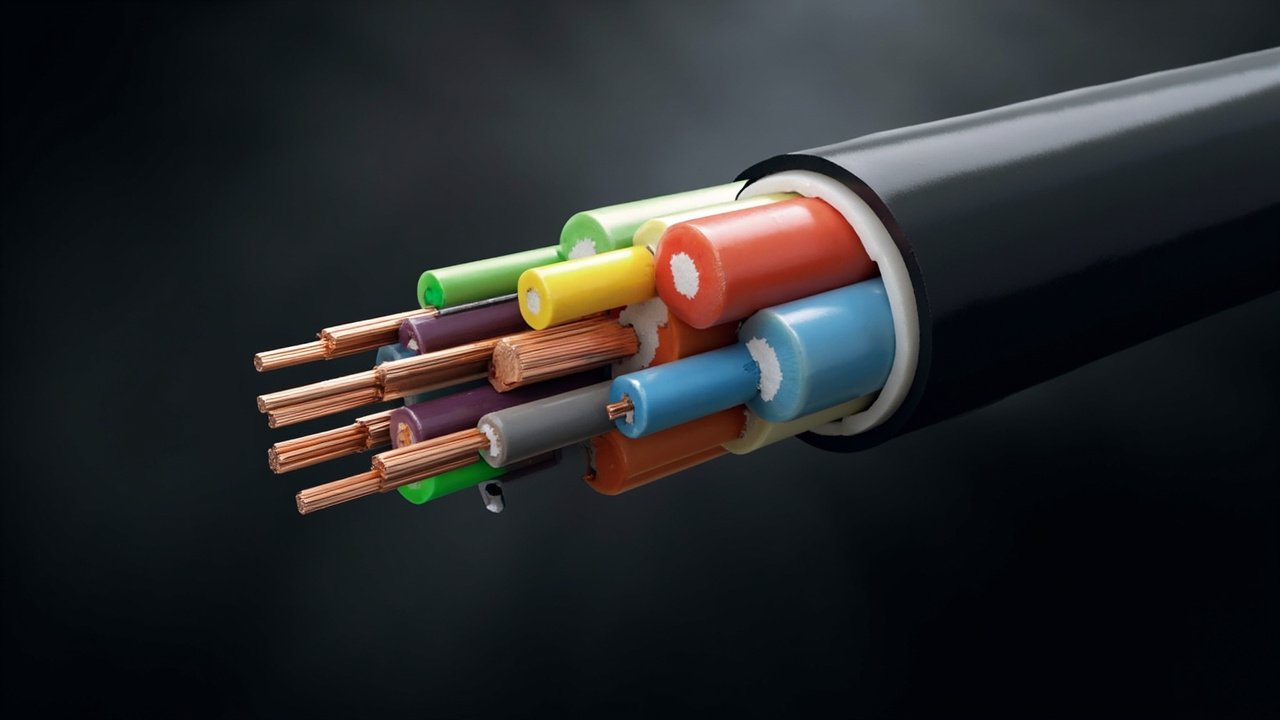
In enclosed spaces like tunnels, subways, and high-rise buildings, cable fires present serious threats to human life. The smoke and toxic gases released from burning cables can be more dangerous than the fire itself. LSZH (Low Smoke Zero Halogen) cables significantly reduce these dangers, making them essential for safety-critical applications.
Understanding LSZH Technology
What Does Zero Halogen Mean?
Traditional PVC cables release hydrogen chloride (HCl) gas when burned. Zero halogen cables are formulated without chlorine, bromine, fluorine, and other halogens, producing significantly less toxic and corrosive gases.
Key Performance Characteristics
| Property | LSZH | PVC | Test Standard |
|---|---|---|---|
| Halogen Content | 0% | 30-35% | IEC 60754-1 |
| Acidity (pH) | > 4.3 | 2.5-4.0 | IEC 60754-2 |
| Conductivity | < 10 μS/mm | > 100 μS/mm | IEC 60754-2 |
| Smoke Density | Very Low | High | IEC 61034-2 |
| Toxic Index | Low | High | NES 713 |
Health and Safety Benefits
Reduced Toxicity
During a fire, LSZH cables emit significantly fewer toxic gases:
- Carbon Monoxide (CO): Minimal increase over ambient levels
- Hydrogen Chloride (HCl): Essentially zero
- Hydrogen Bromide (HBr): Essentially zero
- Hydrogen Fluoride (HF): Essentially zero
Improved Visibility During Evacuation
Smoke density reduction is critical for evacuation:
- LSZH cables reduce light attenuation by up to 80%
- Enables faster evacuation of building occupants
- Improves firefighting conditions
- Reduces panic and disorientation
Corrosion Protection
Traditional PVC releases corrosive acids that damage:
- Electronic equipment and computers
- Structural steel reinforcement
- Electrical switchgear and distribution equipment
- Communication and security systems
Applications Requiring LSZH
Transportation Infrastructure
- Metro and Subway: Enclosed underground environments with high passenger density
- Railway Tunnels: Limited ventilation requires low smoke emission
- Airport Terminals: Large volumes of people and electronic systems
- Marine Vessels: Confined spaces with critical safety systems
Commercial Buildings
- High-Rise Buildings: Vertical fire spread concerns
- Hospitals: Evacuation challenges and critical equipment
- Data Centers: Protection of expensive equipment and data
- Shopping Malls: High occupancy and complex evacuation routes
Industrial Applications
- Power Plants: Critical safety systems must remain operational
- Oil and Gas: Explosion risk and toxic environments
- Chemical Plants: Corrosive atmospheres
- Mining: Enclosed environments with limited escape routes
LSZH Material Types
Polyolefin-Based Compounds
Common base materials for LSZH compounds:
- Polyethylene (PE): Good electrical properties, moderate flexibility
- Polypropylene (PP): Higher melting point, excellent fire performance
- Ethylene-Vinyl Acetate (EVA): Good flexibility, processability
Mineral Filler Systems
Fire performance enhanced with:
- Aluminum Hydroxide: Releases water at 180-200°C, absorbing heat
- Magnesium Hydroxide: Higher temperature decomposition
- Clay Nanocomposites: Improved mechanical and fire properties
Standards and Certifications
International Standards
| Standard | Property Tested | Requirement |
|---|---|---|
| IEC 60754-1 | Halogen Content | < 0.5% by weight |
| IEC 60754-2 | Acidity & Conductivity | pH > 4.3, Conductivity < 10 μS/mm |
| IEC 61034-2 | Smoke Density | > 60% light transmittance |
| NES 713 | Toxicity Index | Varies by application |
Common Certifications
- CE Marking: European safety conformity
- LPCB: Loss Prevention Certification Board (UK)
- DNV GL: Maritime and offshore certification
- ABS: American Bureau of Shipping
Installation Considerations
Temperature Ratings
LSZH cables typically have narrower temperature ranges:
- Installation Temperature: -10°C to +60°C (no cold bending below 0°C)
- Operating Temperature: -30°C to +90°C (90°C emergency rating)
- Storage: Cool, dry conditions away from direct sunlight
Mechanical Properties
LSZH materials are generally:
- Less Flexible: Larger minimum bend radii required
- Harder Jacket: More resistant to abrasion and impact
- Higher Weight: Mineral fillers add density
Cost Considerations
LSZH cables typically cost 20-40% more than PVC equivalents, but provide significant benefits:
- Life Safety: Reduced smoke toxicity saves lives
- Equipment Protection: Less corrosive damage to electronics
- Reduced Damage: Lower smoke density reduces property damage
- Insurance Benefits: Some insurers offer reduced premiums
IFlexCable LSZH Solutions
IFlexCable offers comprehensive LSZH cable ranges:
- LSZH Building Wires: For residential and commercial installations
- LSZH Power Cables: Medium voltage applications
- LSZH Control Cables: Industrial automation systems
- LSZH Data Cables: Communication and networking
Conclusion
LSZH cables are essential for enclosed spaces where human life safety is paramount. The minimal smoke and zero halogen properties significantly improve evacuation conditions and reduce toxic gas exposure. While costing more than PVC alternatives, the safety benefits justify the investment in critical applications.
FAQ
Q: Are LSZH cables more expensive than PVC cables?
A: Yes, LSZH cables typically cost 20-40% more due to specialized compounds and mineral fillers. However, the safety benefits and reduced property damage often justify the additional investment.
Q: Can LSZH cables be used outdoors?
A: Standard LSZH cables are designed for indoor use. For outdoor applications, look for UV-resistant LSZH grades or cables with additional protective sheathing.
Q: Do LSZH cables have the same electrical performance as PVC?
A: LSZH cables generally have equivalent or slightly better electrical properties. The dielectric constant and insulation resistance are comparable to high-quality PVC compounds.
Q: What does pH value mean for cable smoke?
A: A higher pH indicates less acidic (less corrosive) smoke. Standard PVC produces smoke with pH around 2.5-4.0, while LSZH materials produce smoke with pH > 4.3, significantly reducing corrosive damage.