
Solar PV Cable Standards Explained: EN 50618, H1Z2Z2-K and Global Photovoltaic Cable Requirements
Solar energy systems demand cables designed for 25+ year service life in harsh outdoor environments. Understanding solar PV cable standards—EN 50618, H1Z2Z2-K, IEC 62930, and regional variations—is essential for specifying cables that…
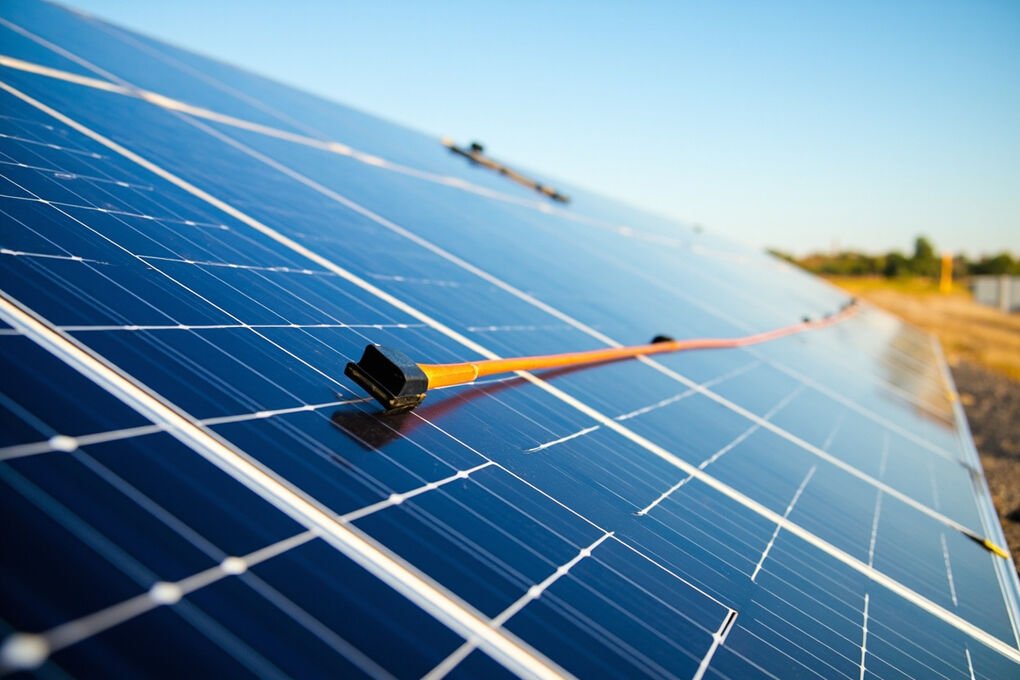
Solar energy systems demand cables designed for 25+ year service life in harsh outdoor environments. Understanding solar PV cable standards—EN 50618, H1Z2Z2-K, IEC 62930, and regional variations—is essential for specifying cables that won’t fail catastrophically mid-warranty period.
Why Solar Cable Standards Exist
A photovoltaic system’s cables are its circulatory system. They must carry DC power from panels to inverters for decades under constant UV exposure, temperature extremes, rain, wind, and mechanical stress. Standard building wire is not designed for this environment—a typical house wire might fail within 5 years outdoors. Solar cable standards define construction and test requirements specifically for this demanding application.
EN 50618: The European Solar Cable Standard
EN 50618 (previously HAR HD 624.8) is the harmonized European standard for solar cables. It specifies requirements for cables intended for the interconnection of photovoltaic systems:
Key specifications:
- Voltage rating: 600V AC / 1000V DC (single core)
- Conductor: Fine-stranded copper, Class 5 (min 1.5mm², max 35mm²)
- Insulation: Cross-linked polyethylene (XLPE) or equivalent
- Sheath: Low-smoke zero-halogen (LSZH) or cross-linked halogen-free compound
- Temperature range: -40°C to +90°C (conductor temperature)
- UV resistance: According to EN 50620 (HD 626)
- Minimum service life: 25 years at maximum conductor temperature
H1Z2Z2-K: The Harmonized Solar Cable Designation
H1Z2Z2-K is the harmonized designation code for solar cables under the EU Construction Products Regulation (CPR):
- H = Harmonized (CPR-compliant)
- 1Z = 1 core, 1000V DC rated (Z = ozone, UV, and weather resistant)
- 2Z = 2 cores, refer to specific construction (not applicable for single core)
- K = Fine-stranded copper conductors (Class 5)
H1Z2Z2-K cables carry CE marking under the CPR and are the standard specification for solar installations in the EU.
IEC 62930: The International Solar Cable Standard
IEC 62930 is the international standard for photovoltaic cables for solar energy systems, published by the International Electrotechnical Commission. It aligns closely with EN 50618 but provides a globally recognized specification for markets outside Europe.
UL 4703: North American Photovoltaic Wire
In the United States, UL 4703 covers photovoltaic cable requirements. Key differences from European standards:
- Voltage rating: 1000V AC / 1500V DC (recognized for higher system voltages)
- Per NEC Article 690, PV source/optimizer circuits require PV-listed wire
- UL 4703 cables are tested for sunlight resistance, use in wet locations, and flame retardancy
Regional Solar Cable Requirements Summary
| Region | Standard | Marking |
|---|---|---|
| European Union | EN 50618 | H1Z2Z2-K, CE |
| International | IEC 62930 | IEC 62930 |
| USA | UL 4703 | PV Wire / USE-2 |
| Canada | CSA TIL No. 50 | PV CSA certified |
| Australia | AS/NZS 4763 | RCM / S-Mark |
| China | GB/T 33766 | CCC |
IFlexCable Solar Cable Certifications
IFlexCable supplies solar cables meeting all major global standards:
- EN 50618 / H1Z2Z2-K certified cables for European markets
- IEC 62930 compliant cables for international projects
- UL 4703 listed cables for North American solar installations
- TUV certified for quality verification beyond standard minimums
Frequently Asked Questions
Can I use standard building wire for solar installation?
No. Standard THHN/THWN building wire lacks UV resistance and wet-location ratings required for outdoor solar installation. Using building wire voids most solar panel warranties and violates electrical codes. Always specify EN 50618/H1Z2Z2-K (EU), UL 4703 (US), or IEC 62930 rated solar cable.
What is the difference between PV cable and standard DC cable?
PV cables are specifically engineered for outdoor solar applications with: UV-resistant jacket compounds, wet-location ratings (for underground burial), DC voltage ratings matched to solar system requirements, and 25-year minimum service life at elevated temperatures. Standard DC cables lack one or more of these critical properties.