
Understanding Fire Resistant Cable Standards: A Complete Guide
Comprehensive guide to fire resistant cable standards including BS 6387, BS EN 50200, and IEC 60331. Learn cable construction, testing, certifications, and selection criteria.
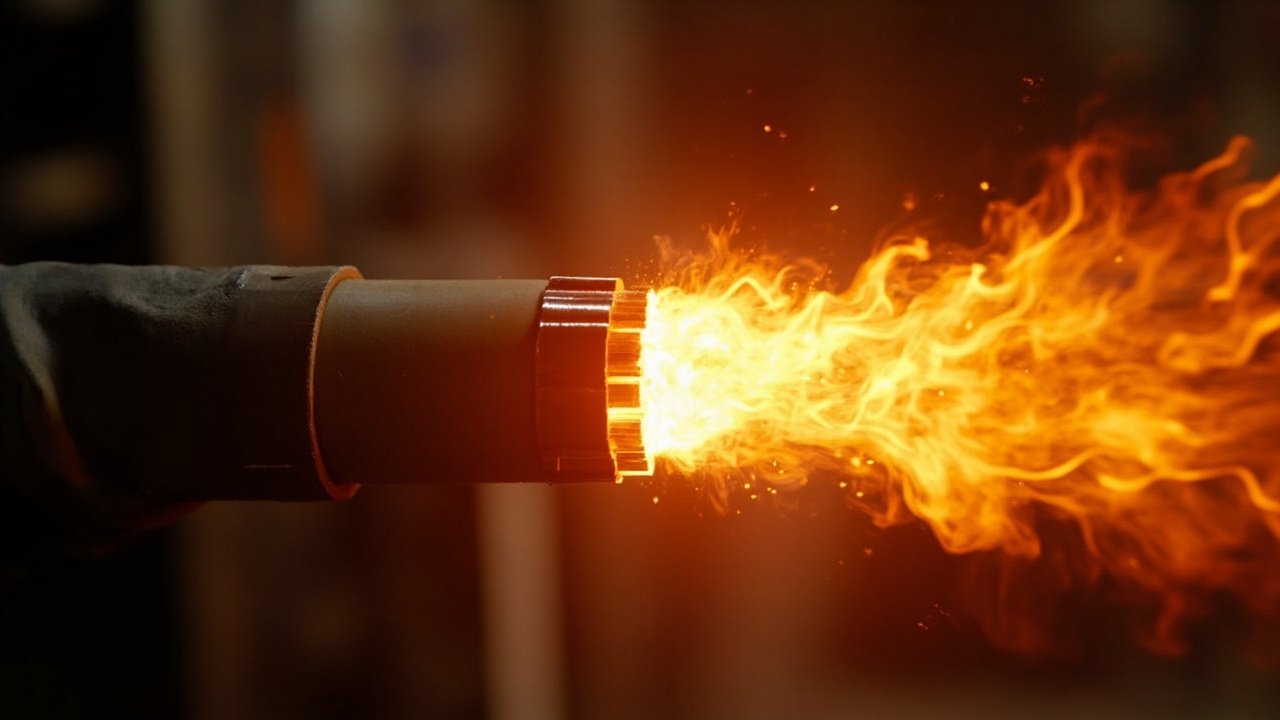
Fire resistant cables are critical components in building safety systems. They ensure circuit integrity during a fire, allowing essential systems like fire alarms, emergency lighting, and evacuation systems to continue functioning. This guide explains the various standards and how to select the right fire resistant cable for your application.
Why Fire Resistant Cables Matter
During a fire, standard cables can fail within minutes due to insulation melting and conductor breakage. Fire resistant cables are designed to maintain circuit integrity for specified durations, enabling:
- Fire alarm systems to continue detecting and reporting fires
- Emergency lighting to guide evacuations
- Fire pumps to operate for sprinkler systems
- Public address systems to broadcast evacuation instructions
- Smoke control systems to operate
Key Fire Resistant Cable Standards
BS 6387 — British Standard for Fire Resistant Cables
BS 6387 specifies performance requirements for cables required to maintain circuit integrity under fire conditions:
| Category | Test Condition | Duration | Application |
|---|---|---|---|
| Category W | 650°C flame + water spray | 15 minutes | General fire alarm circuits |
| Category X | 650°C flame only | 3 hours | Emergency power circuits |
| Category Y | 650°C flame + mechanical shock | 3 hours | Critical systems |
| Category Z | 950°C flame + mechanical shock + water | 3 hours | Most demanding applications |
BS EN 50200 — European Fire Resistance Standard
BS EN 50200 defines the fire resistance test method for unprotected cables:
| Classification | Fire Test Duration | Mechanical Shock | Water Spray |
|---|---|---|---|
| PH 30 | 30 minutes | Yes | No |
| PH 60 | 60 minutes | Yes | No |
| PH 90 | 90 minutes | Yes | No |
| PH 120 | 120 minutes | Yes | No |
IEC 60331 — International Standard
The IEC 60331 series provides internationally recognized fire resistance testing:
- IEC 60331-1: Test for cables with rated voltage up to 0.6/1kV
- IEC 60331-2: Test for cables with rated voltage above 1kV
- Test temperature: 750°C (cables ≤20mm diameter) or 830°C (>20mm)
Fire Resistant Cable Construction
Mica Tape Wrapping
The primary difference in fire resistant cables is the mica tape barrier:
- Mica is a naturally occurring mineral with excellent fire resistance
- Applied helically around the conductor
- Withstands temperatures up to 1000°C
- Typically 0.1-0.15mm thickness
Insulation Materials
Common insulation materials in fire resistant cables:
- XLPE (Cross-linked Polyethylene): Good fire resistance, common choice
- MI (Mineral Insulated): Copper sheath with MgO insulation, highest performance
- PE (Polyethylene): Used in low-smoke applications
Applications by Cable Type
Fire Alarm Systems
BS 5839-1 specifies requirements for fire alarm cables:
- Minimum 1-hour fire resistance for circuit integrity
- Red sheath preferred for identification
- Fire detector circuits typically use enhanced grades
Emergency Lighting
BS 5266 requirements for emergency lighting cables:
- Cables must maintain circuit integrity during fire
- Typically minimum PH 60 classification
- Green/yellow sheath for easy identification
Fire Fighting Equipment
For fire pumps and suppression systems:
- Minimum PH 120 recommended
- Water spray test compliance essential
- Redundant cable runs often specified
Low Smoke Zero Halogen (LSZH) Options
Modern fire resistant cables often incorporate LSZH materials:
- Reduced Smoke Density: Less dense smoke clouds during fire
- Zero Halogen: No toxic HCl gas release
- Corrosive Gas Emission: pH value > 4.3
- Application: Enclosed spaces like tunnels, metro stations, high-rise buildings
Testing and Certification
Third-party testing and certification ensures cable performance:
Required Certifications
- TUV: German safety certification
- LPCB: Loss Prevention Certification Board (UK)
- UL: Underwriters Laboratories (North America)
- CE: European conformity marking
Factory Acceptance Testing
Batch testing typically includes:
- Conductor resistance measurement
- Insulation resistance testing
- High voltage spark testing
- Continuity verification
Installation Guidelines
Support and Fixing
- Cable clips at 300mm intervals for vertical runs
- Cable tray mounting with appropriate fixings
- Expansion loops at structural movement joints
Jointing and Termination
Fire resistant cable systems require:
- Fire-rated junction boxes and glands
- Sealing of all entries to maintain fire barrier integrity
- Terminations rated for same fire duration as cables
Conclusion
Understanding fire resistant cable standards is essential for specifying the right products for safety-critical applications. Always verify certifications, test reports, and ensure installation practices maintain the fire resistance integrity of the complete system.
FAQ
Q: What is the difference between fire resistant and fire retardant cables?
A: Fire resistant cables maintain circuit integrity during a fire for specified durations. Fire retardant cables slow the spread of fire but may not maintain circuit integrity. Fire resistant is the higher standard required for safety-critical circuits.
Q: How long must fire resistant cables maintain circuit integrity?
A: This depends on the application and local regulations. Fire alarm circuits typically require 1 hour minimum, while emergency power circuits for fire pumps may require 2-4 hours. Always consult applicable codes.
Q: Can fire resistant cables be installed in outdoor environments?
A: Yes, but they require additional UV and weather protection such as conduit or cable trays with covers. Check manufacturer specifications for outdoor rating.