
Robot Arm Cable Installation Guide: Best Practices for Multi-Axis Industrial Robots
Proper robot arm cable installation is one of the most overlooked factors in industrial robot maintenance. Even the highest quality articulated robot cable and robot arm cable solutions can fail prematurely if…
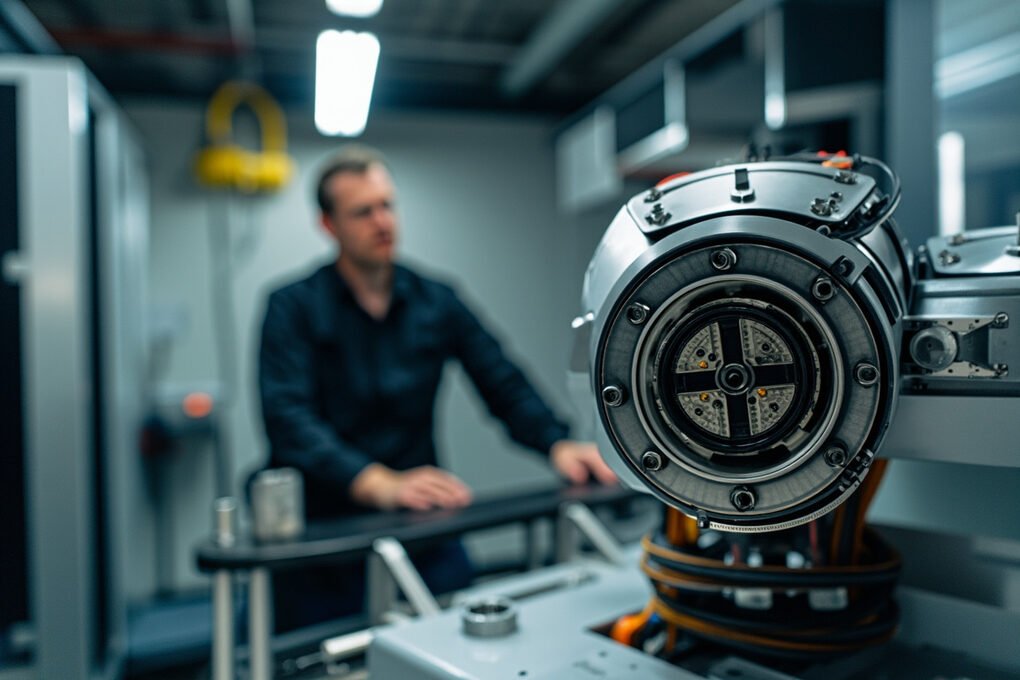
Proper robot arm cable installation is one of the most overlooked factors in industrial robot maintenance. Even the highest quality articulated robot cable and robot arm cable solutions can fail prematurely if routing, tension, and environmental protection are not specified and installed correctly.
Why Cable Installation Matters for Robot Arms
Modern 6-axis articulated robots move through millions of precision cycles. Each motion stresses every cable running through the arm—through bending, torsion, acceleration forces, and vibration. Poor installation accelerates cable fatigue and causes unexpected production stoppages.
Key Principles for Robot Arm Cable Routing
1. Maintain Minimum Bending Radius
Every cable has a specified minimum bending radius—typically 6-12x the cable outer diameter for high flex robot cables. Bending tighter than this causes conductor strand breakage and premature failure. Always check the datasheet and route cables with generous sweeping curves, never sharp kinks.
2. Separate Power and Signal Cables
Keep robot power cables and robot signal cables in separate conduits or cable tracks where possible. Running them alongside each other creates electromagnetic interference (EMI) that corrupts encoder signals and fieldbus communication. If separation is not possible, use shielded signal cables.
3. Manage Cable Tension Properly
Cables should have enough slack to move freely through the robot’s full range of motion, but not so much that they bunch or rub against arm internals. A good rule of thumb: 10-15% extra length beyond the straight-line distance, with the slack distributed in a gentle S-curve or U-curve.
4. Use Cable Carriers for Long Traverse Runs
For cables traveling from the robot base to the control cabinet—through cable carriers or energy chains—always use continuous flex cable or drag chain cable specifically rated for the carrier type and fill ratio. Avoid overfilling the carrier; fill should not exceed 60-70% of the carrier cross-section.
5. Protect Against Environmental Factors
Welding sparks, metal cutting coolant, oil mist, and UV exposure all degrade cable jackets. In harsh environments:
- Use PVC-free LSZH jackets near welding cells
- Specify oil-resistant PUR jackets for CNC and machining environments
- Add UV-resistant conduit or outer sheath for outdoor applications
Robot Arm Cable Installation Checklist
- Verify minimum bending radius from datasheet
- Check cable is rated for your robot’s cycle count requirement
- Separate power and signal cables or use shielded signal cables
- Confirm adequate slack for full range of motion
- Use correct cable carrier type and filling ratio
- Verify jacket material is appropriate for environment
- Label both ends of every cable for easy maintenance
- Document routing photos for future maintenance reference
Common Cable Installation Mistakes to Avoid
- Twisting cables — Always route cables straight, never twist the cable jacket
- Stacking cables without separation — Creates EMI and heat buildup
- Over-tightening cable clamps — Compresses the cable and damages the jacket and conductors
- Ignoring torsional stress — Some applications (e.g., tool changers) subject cables to twist; specify torsion-rated cables
Need Help Selecting the Right Robot Arm Cable?
IFlexCable’s technical team provides free cable selection reviews for industrial robot applications. We support ABB, Fanuc, Kawasaki, Yaskawa, KUKA, and Epson robots with factory-direct pricing and fast lead times.
Frequently Asked Questions
What is the minimum bending radius for robot arm cables?
For standard high flex robot arm cables, the minimum bending radius is typically 10-12x the cable outer diameter. For ultra high flex cables, it can be as tight as 6-8x the OD. Always consult the specific cable datasheet for your product.
How often should robot arm cables be replaced?
There is no fixed replacement interval—it depends on the cable quality, cycle count, bending radius, and environmental conditions. Monitor cables for visible jacket damage, intermittent signal faults, or increased resistance as early warning signs. High flex cables rated at 10M cycles in ideal conditions typically last 3-5 years in typical production environments.
Can robot signal cable and robot power cable be routed together?
It is not recommended. Power cables generate electromagnetic interference that can corrupt encoder, bus, and sensor signals. If they must share a conduit, use properly shielded signal cables and maintain maximum possible separation between power and signal conductors.
What is the difference between robot arm cable and robot drag chain cable?
Robot arm cables are routed inside the robot structure, typically experiencing multi-directional bending as the arm moves. Drag chain cables (also called cable carrier cables) travel through energy chain systems and experience primarily unidirectional continuous flexing. Both require high flex construction, but drag chain cables have additional requirements for smooth, low-friction jacket materials.